

Three specialist firms. One person who knows all three.
The studies themselves are produced by three specialist firms we have worked alongside for years. They do the engineering, the technical interviews, and the agronomy, and each issues its report under its own name and professional responsibility.
What CSS Resources does is everything around that. We assess whether a study is worth running at all, decide which of the three fits your facts, agree the scope and fee, manage the engagement, review what comes back, and coordinate with your CPA through filing.
And we don’t hand you off. Depending on the engagement, our involvement can extend into the study itself — walking your building on the site visit, or contributing to the engineering analysis. You are dealing with one person who knows your file, start to finish.
What that means for you
A judgment, not a coin flip. All three firms can handle most engagements. Property type, industry, and geography decide which one is right for yours.
One relationship. You deal with us. We deal with the firm, the documents, and the scheduling.
Hands-on, not hands-off. We stay in the engagement while it runs rather than making an introduction and stepping back.
No separate fee. You pay the specialist firm one fee for the study. Our compensation comes from the firm, not from you.
A report that stands on its own. The issuing firm puts its name and professional judgment behind the study your CPA files from.
Most property owners depreciate their building on a single 39-year line. Most companies that improve a product never claim the credit they earned doing it. Most farmland buyers never deduct the fertility they paid for. We find all three — then place the work with the right specialist and manage it to a report your CPA can file from. No cost, no obligation. We’ll tell you if a study isn’t worth it.
A study may be worth a look if…
You bought, built, or renovated property in the last 15 years
Your building basis is roughly $500,000 or more
You develop or improve products, processes, formulas, or software
You bought farmland this year and haven’t fertilized it yet
You expect taxable income you’d rather offset than pay on
You plan to hold the property for several more years
100% Bonus depreciation, made permanent for qualified property acquired and placed in service after January 19, 2025
5, 7 & 15 yr Asset classes a study reclassifies components into, instead of 27.5 or 39 years
No amended return Look-back studies catch up missed depreciation on a current-year return via Form 3115
Dollar-for-dollar The R&D credit reduces tax owed, not just taxable income
Your gateway to accounting method savings.
Three studies. One goal: keep more of what you’ve already earned.
Each is an accounting method opportunity — timing and classification, not loopholes. Each requires documentation that survives review.

Cost Segregation Studies: An engineering-based study that separates a building into its actual components — lighting, flooring, cabinetry, dedicated electrical, site improvements — and moves the ones that qualify onto much shorter depreciation schedules. The result is a larger deduction now instead of a thin one spread across four decades.
Applies to acquisitions, new construction, and renovations. Missed it in a prior year? A look-back study can capture the difference without amending returns.

Research & Development Tax Credits: A dollar-for-dollar reduction in tax owed, available across far more industries than most people assume. If your team develops, designs, or improves products, processes, formulas, techniques, or software, some of that work likely qualifies.
Qualified research expenses include employee wages, supplies consumed in the work, and computer or cloud costs used for qualified research. Domestic research is again immediately deductible for tax years beginning after December 31, 2024.
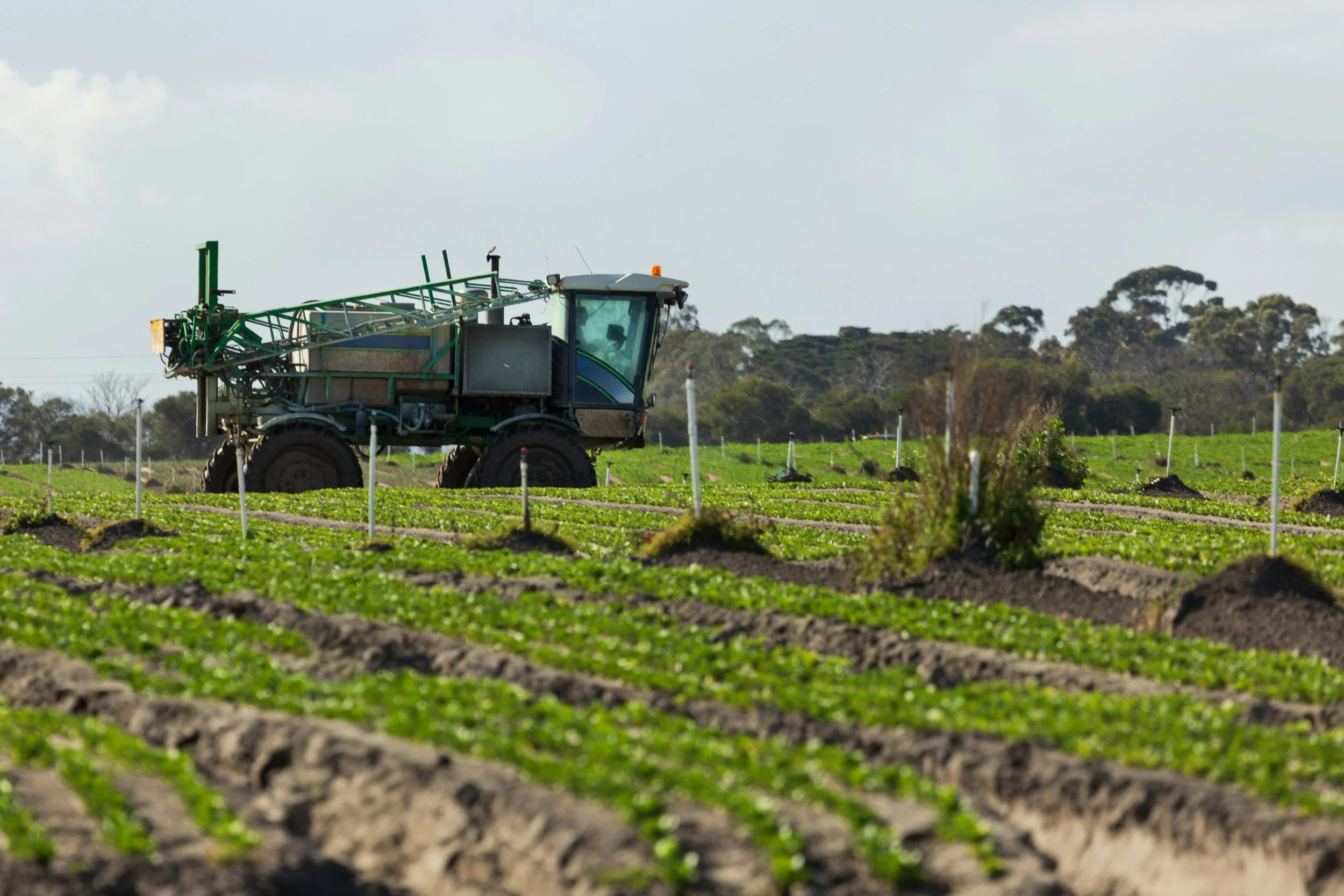
Land Nutrient Deduction: Buy farmland and you buy the fertilizer the previous owner left in the ground. Under IRC § 180, the value of that unexhausted phosphorus, potassium, and lime may be deductible rather than locked into non-depreciable land basis.
It is also the most documentation-dependent of the three, and the window closes the first time you fertilize. We’ll tell you plainly whether your purchase supports a defensible position.